
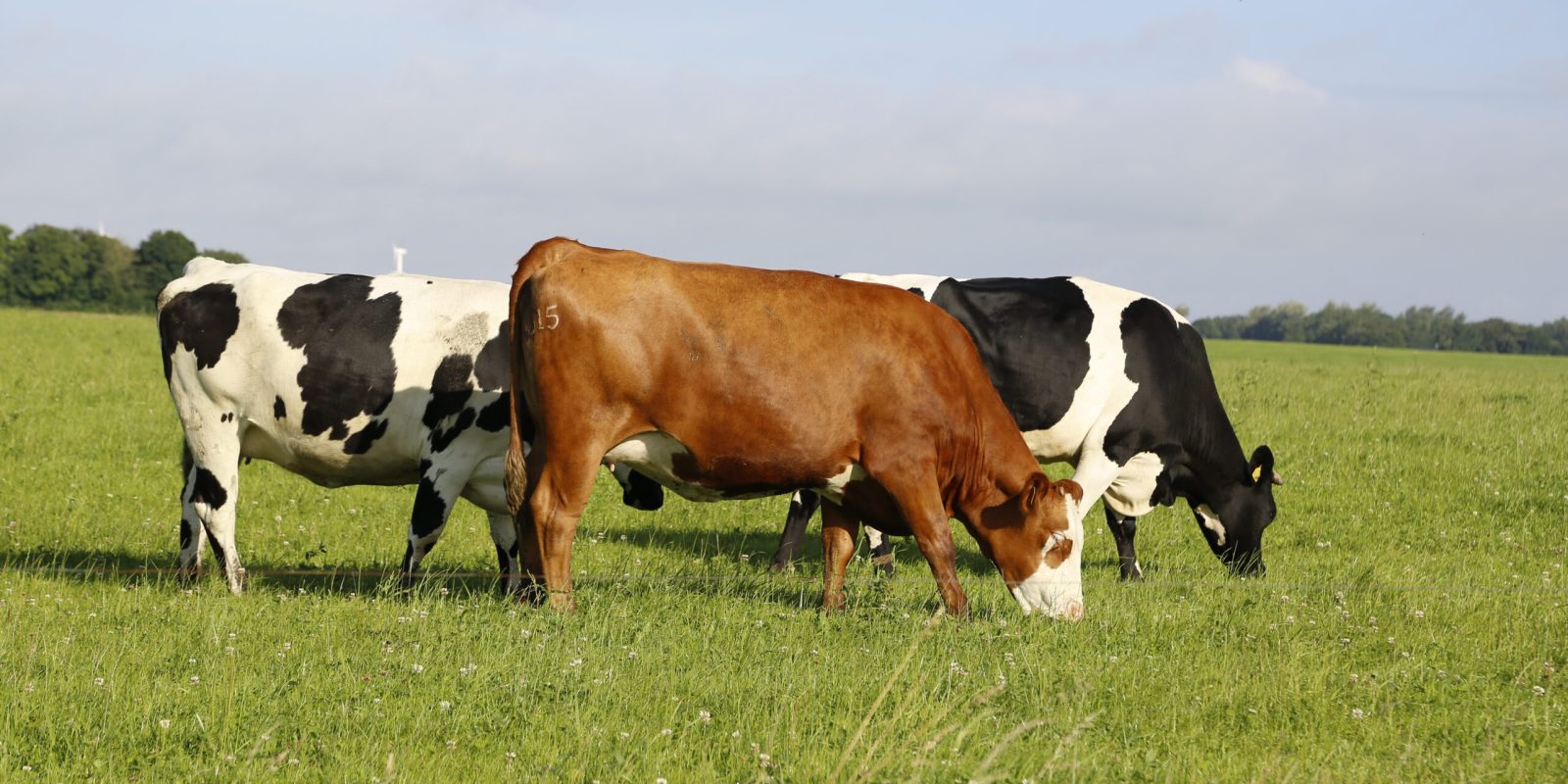
Why GOUSHALE...?
Gaushalas are important because
cause they provide a sanctuary for homeless and abandoned cows, protect India’s indigenous cattle breeds, and promote organic farming through the use of cattle waste for fertilizers. They also serve a vital role in India’s social and cultural fabric, embodying traditions of compassion, preserving cultural heritage through education, and fostering a sense of community around the sacred value of cows.
For Cows and Livestock
Shelter and protection:
Gaushalas offer a safe and peaceful environment for cows, especially those that are old, non-milking, or abandoned, protecting them from slaughterhouses and cattle mafias.
Preservation of breeds:
They help conserve indigenous cattle breeds, which are often threatened by the increasing popularity of crossbred cattle.
Addressing stray populations:
Gaushalas provide a solution for the large numbers of stray and abandoned cattle that damage crops and pose other problems.
For Agriculture and the Environment
Promoting organic farming:
Cattle waste like cow dung and urine, abundant in gaushalas, is used to create organic fertilizers and pesticides, reducing reliance on chemical agrochemicals and promoting sustainable agriculture.
Circular economy:
Gaushalas foster a waste-to-wealth initiative by recycling cattle waste into valuable agricultural inputs, creating a more sustainable and resource-efficient system.
Soil health:
By providing organic manure, gaushalas help improve soil health, which has been negatively affected by the imbalanced use of inorganic fertilizers over the years.
For Society and Culture
Spiritual and cultural preservation:
Cows are considered sacred in Hinduism, and gaushalas are institutions that embody this reverence, providing a space for people to care for these animals and uphold cultural traditions.
Education and awareness:
Gaushalas serve as centers for learning about cow welfare, dairy production, and organic farming, often organizing educational programs and cultural events to pass on traditional knowledge.
Community building:
They foster social cohesion by bringing people together in the communal effort of cow care and welfare, acting as a hub for community engagement and social responsibility.