
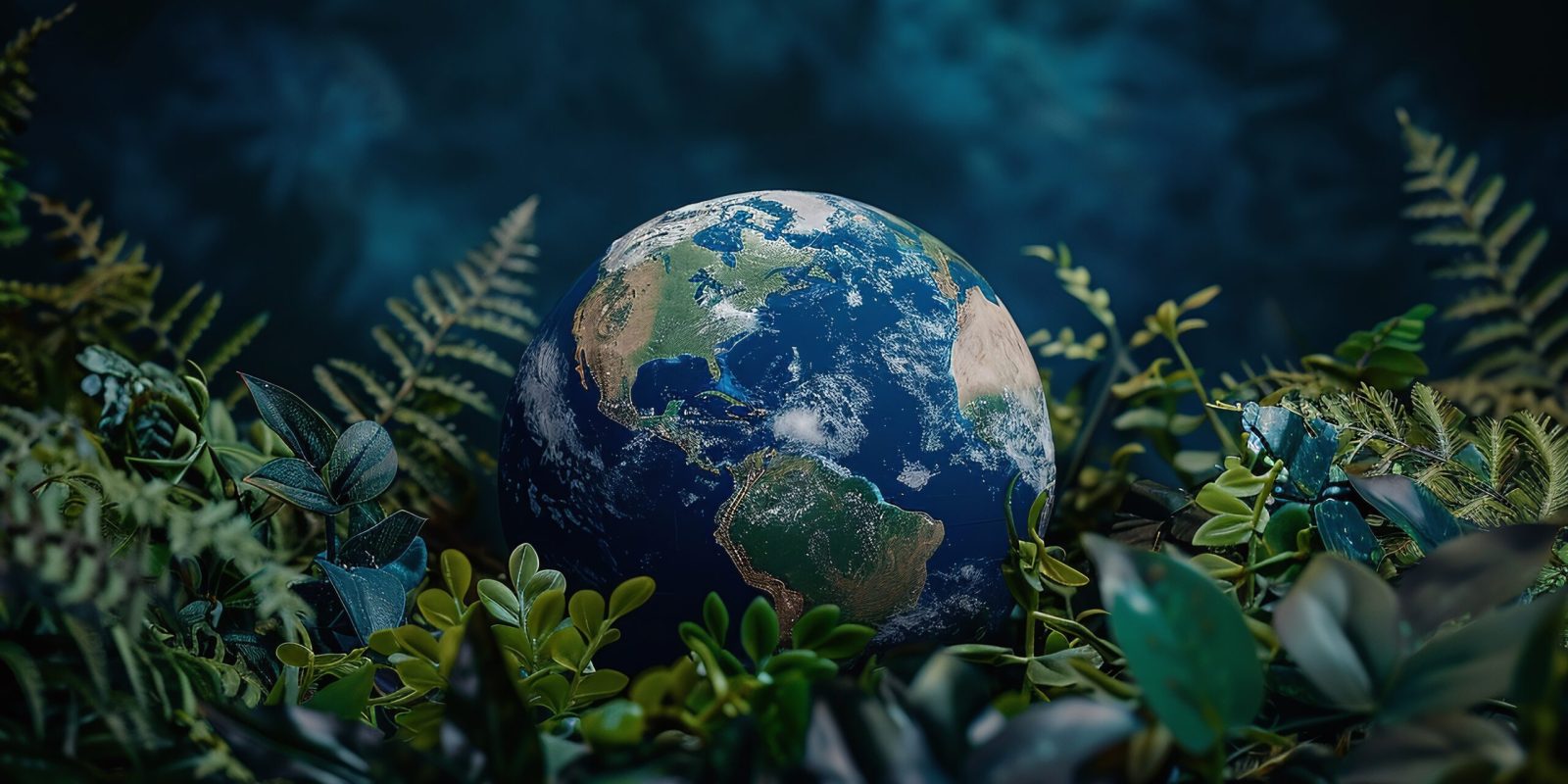
Why ENVIRONMENT..?
The environment is vital because it sustains all life by providing essential resources like clean air, water, and food, and it supports ecological balance and biodiversity. A healthy environment is also crucial for human well-being, supplying natural beauty for mental and physical health and offering resources for economic activity, all of which are necessary for current and future generations.
Provides Essential Resources
Air, Water, and Food:
The environment provides the fundamental elements necessary for survival, such as the oxygen produced by plants for breathing, the fresh water from rivers and groundwater for consumption and agriculture, and the food from various ecosystems and farming.
Shelter and Materials:
It offers a home and the raw materials used to create shelter and other goods, from soil and land to natural resources for production.
Supports Life and Ecosystems
Habitat for Species:
A healthy environment provides diverse habitats for various plant and animal species, which helps maintain biodiversity and ecological balance.
Ecological Balance:
It regulates processes like temperature and weather, while the natural cycles of ecosystems ensure the continuation of life and the natural world’s overall health.
Enhances Human Health and Well-being
Physical and Mental Health:
A healthy environment contributes to the physical and mental well-being of people by offering places for recreation and the simple beauty of nature, like mountains and rivers.
Disease Prevention:
Clean air and water are essential for preventing the spread of germs and chemicals, safeguarding public health from environmental risks.
Drives Economic and Societal Benefits
Natural Resources for Industry:
The environment provides both renewable and non-renewable resources that are essential for various industries and human activities.
Sustainable Future:
Protecting the environment encourages sustainable practices that ensure these resources are preserved for future generations, supporting long-term economic and societal growth.

Why to plant TREES..?
Planting trees is beneficial for both the environment and human well-being. Trees help combat climate change by absorbing carbon dioxide, purify the air and water, prevent soil erosion, and provide habitats for wildlife. They also offer shade, cool the environment, and improve mental health. Furthermore, trees can enhance the beauty of landscapes and even contribute to economic benefits.
Here’s a more detailed look at the benefits:
Environmental Benefits:
Combatting Climate Change:
Trees absorb carbon dioxide, a major greenhouse gas, and store it in their wood, leaves, and roots, thus helping to mitigate climate change.
Air Purification:
Trees filter pollutants from the air, improving air quality and reducing respiratory problems.
Water Cycle Regulation:
Trees play a role in the water cycle by intercepting rainfall, reducing runoff, and replenishing groundwater.
Soil Conservation:
Tree roots help stabilize the soil, preventing erosion and landslides.
Wildlife Habitats:
Trees provide food, shelter, and nesting sites for a wide variety of animals, supporting biodiversity.
Human Well-being Benefits:
Improved Mental Health:
Studies show that spending time near trees and in green spaces can reduce stress, anxiety, and depression.
Shade and Cooling:
Trees provide shade, lowering temperatures in urban areas and creating more comfortable environments.
Aesthetic Value:
Trees enhance the beauty of landscapes, making our surroundings more pleasant and enjoyable.
Economic Benefits:
Trees can increase property values, reduce energy costs for heating and cooling, and even create jobs in forestry and related industries.